Model No:J205BLU
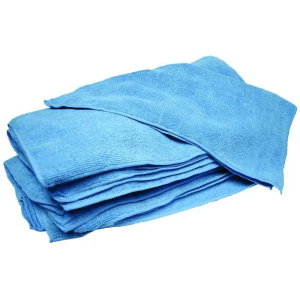
Microfiber Cleaning Cloths - Blue
SupplyLand J205 Microfiber Cleaning Cloths
Wave goodbye to dust! Make tabletops, workspaces, shelves, and counters sparkle.
- Revolutionary Fabric: Cleans brilliantly without the need for any cleaners or chemicals. Just grab and go for a spotless finish!
- Choose Your Color: Available in four vibrant options, perfect for color coding your cleaning crusade.
- Washable and Reusable: Keep them handy and heartily reused; our clothes love the earth as much as they love a clean surface.
- Versatile Cleaning Power: Get these cloths for dusting, polishing, and light scrubbing—they're your cleaning heroes!
Get ready to make your cleaning routine a breeze with our Microfiber Cleaning Cloths—where every wipe dazzles!
Microfiber Cleaning Cloths - Blue
J205BLU
SupplyLand J205 Microfiber Cleaning Cloths
Wave goodbye to dust! Make tabletops, workspaces, shelves, and counters sparkle.
- Revolutionary Fabric: Cleans brilliantly without the need for any cleaners or chemicals. Just grab and go for a spotless finish!
- Choose Your Color: Available in four vibrant options, perfect for color coding your cleaning crusade.
- Washable and Reusable: Keep them handy and heartily reused; our clothes love the earth as much as they love a clean surface.
- Versatile Cleaning Power: Get these cloths for dusting, polishing, and light scrubbing—they're your cleaning heroes!
Get ready to make your cleaning routine a breeze with our Microfiber Cleaning Cloths—where every wipe dazzles!
- Specifications
- FAQs
- Videos
- Options
- None
Weight:
- Unit Wt. (lbs.): 1.25
Material:
- 100% Microfiber
- Polyester: 80%
- Polyamide: 20%
- Fabric Weight: 260 GSM
Usage:
- Recommended for:
- Countertops
- Porcelain
- Chrome
- Glass
- Wood
- Available in variety of colors for color coding by area or application.
Cleaning Instructions:
- Machine wash warm water.
- Air or tumble dry.
- No bleach or fabric softeners.
FAQ SupplyLand J205 Microfiber Cleaning Cloth

What is microfiber fabric?
Microfiber is a thin fabric made from ultra-fine polyester and nylon yarns. These fibers are finer than silk, cotton, wool, and human hair.
What are microfiber towels used for?
- Kitchen –Microfiber towels are a versatile and eco-friendly option for cleaning surfaces, washing dishes, and drying. You can use a single microfiber cloth to scrub the kitchen sink and countertops, wash dishes, and wipe down appliances.
- Office—Whether you have an in-home office or commute to work, keep microfiber towels readily available. Use these cloths to dust surfaces, remove fingerprints from monitors and touch screens, and sanitize keyboards and mice. For best results, wipe in an "S" pattern to remove fingerprints from computer monitors.
- Vehicle—Microfiber towels can clean both the interior and exterior of any vehicle. Use them for waxing, polishing, dusting the dashboard, and cleaning windows.
- Gym—It's important to wipe down gym equipment before and after use to remove sweat. Keep a microfiber towel handy to wipe down handles and benches. This will keep the equipment clean and hygienic.
How much can microfiber towels absorb?
Microfiber towels can absorb 9 times their weight and cover 4 times more surface area than cotton.
Is microfiber towels lint-free?
There are different types of microfiber towels. Some have raised fibers, while others have a flat surface. All microfiber cloths are generally low-lint, but towels with raised fibers may lint more than those with a flat surface.
Which side of a microfiber cloth should you use?
Microfiber towels have uniform fibers on both sides and are super durable. Try folding your microfiber cloth in half and then in half again. This will give you 8 different sides to clean with a single cloth!
What makes microfiber soft?
Microfiber is very soft due to the finely woven materials that make up its composition. It is generally lightweight, wrinkle-resistant, retains its shape and resists pilling. Microfiber is relatively strong and durable compared to other fabrics of similar weight. It is also more breathable than other fabrics of similar weight.
Are microfiber towels all the same?
No, microfiber towels are not all the same. There are two primary techniques used to produce microfibers:
- Direct Spinning (conventional POY spinning) – produces a lower-quality microfiber material.
- Bi-Component Process: This microfiber type is high–quality and more effective at cleaning bacterial surfaces. It is the preferred type used in medical settings.
Here are some quick tips for washing and drying your microfiber towels:
- Machine Washing:
- Wash separately to avoid lint transfer.
- Shake off excess dirt before washing.
- Use a fragrance-free detergent and skip the fabric softener.
- Add vinegar to remove odors.
- Machine wash in cool or warm water using a gentle cycle.
- Hand Washing:
- Shake off excess dirt before hand washing.
- Soak towels in cool or warm water and scrub by hand.
- Rinse and wring out excess moisture.
- Drying:
- Air dry on a flat surface or use low heat in the dryer.
- Dry microfiber towels separately and avoid using dryer sheets or high heat.
Remember, don't use fabric softener, bleach, or hot water when washing your microfiber towels!
Contact us to learn more about the uses and details of our Microfiber Cloths.
Discover SupplyLand's cleaning supplies like paper towels, rags, wipers, cleaners, mops, brooms, and more.
Weight:
- Unit Wt. (lbs.): 1.25
Material:
- 100% Microfiber
- Polyester: 80%
- Polyamide: 20%
- Fabric Weight: 260 GSM
Usage:
- Recommended for:
- Countertops
- Porcelain
- Chrome
- Glass
- Wood
- Available in variety of colors for color coding by area or application.
Cleaning Instructions:
- Machine wash warm water.
- Air or tumble dry.
- No bleach or fabric softeners.
FAQ SupplyLand J205 Microfiber Cleaning Cloth
What is microfiber fabric?
Microfiber is a thin fabric made from ultra-fine polyester and nylon yarns. These fibers are finer than silk, cotton, wool, and human hair.
What are microfiber towels used for?
- Kitchen –Microfiber towels are a versatile and eco-friendly option for cleaning surfaces, washing dishes, and drying. You can use a single microfiber cloth to scrub the kitchen sink and countertops, wash dishes, and wipe down appliances.
- Office—Whether you have an in-home office or commute to work, keep microfiber towels readily available. Use these cloths to dust surfaces, remove fingerprints from monitors and touch screens, and sanitize keyboards and mice. For best results, wipe in an "S" pattern to remove fingerprints from computer monitors.
- Vehicle—Microfiber towels can clean both the interior and exterior of any vehicle. Use them for waxing, polishing, dusting the dashboard, and cleaning windows.
- Gym—It's important to wipe down gym equipment before and after use to remove sweat. Keep a microfiber towel handy to wipe down handles and benches. This will keep the equipment clean and hygienic.
How much can microfiber towels absorb?
Microfiber towels can absorb 9 times their weight and cover 4 times more surface area than cotton.
Is microfiber towels lint-free?
There are different types of microfiber towels. Some have raised fibers, while others have a flat surface. All microfiber cloths are generally low-lint, but towels with raised fibers may lint more than those with a flat surface.
Which side of a microfiber cloth should you use?
Microfiber towels have uniform fibers on both sides and are super durable. Try folding your microfiber cloth in half and then in half again. This will give you 8 different sides to clean with a single cloth!
What makes microfiber soft?
Microfiber is very soft due to the finely woven materials that make up its composition. It is generally lightweight, wrinkle-resistant, retains its shape and resists pilling. Microfiber is relatively strong and durable compared to other fabrics of similar weight. It is also more breathable than other fabrics of similar weight.
Are microfiber towels all the same?
No, microfiber towels are not all the same. There are two primary techniques used to produce microfibers:
- Direct Spinning (conventional POY spinning) – produces a lower-quality microfiber material.
- Bi-Component Process: This microfiber type is high–quality and more effective at cleaning bacterial surfaces. It is the preferred type used in medical settings.
Here are some quick tips for washing and drying your microfiber towels:
- Machine Washing:
- Wash separately to avoid lint transfer.
- Shake off excess dirt before washing.
- Use a fragrance-free detergent and skip the fabric softener.
- Add vinegar to remove odors.
- Machine wash in cool or warm water using a gentle cycle.
- Hand Washing:
- Shake off excess dirt before hand washing.
- Soak towels in cool or warm water and scrub by hand.
- Rinse and wring out excess moisture.
- Drying:
- Air dry on a flat surface or use low heat in the dryer.
- Dry microfiber towels separately and avoid using dryer sheets or high heat.
Remember, don't use fabric softener, bleach, or hot water when washing your microfiber towels!
Contact us to learn more about the uses and details of our Microfiber Cloths.
Discover SupplyLand's cleaning supplies like paper towels, rags, wipers, cleaners, mops, brooms, and more.